
Blue Monday Scam


Every third Monday in January, you'll see it everywhere: Blue Monday, supposedly the "most depressing day of the year." Travel companies push vacation deals. Wellness brands promote mood-boosting products. Retailers announce sales to "beat the blues." Everyone seems eager to sell you something to fix your feelings.
The Origins of Blue Monday
In 2005, a British travel company called Sky Travel wanted to boost holiday bookings during a slow sales period. They hired psychologist Cliff Arnall to create something that would make headlines: a formula to identify the "most depressing day of the year."1
The formula he produced looks impressively scientific at first glance:
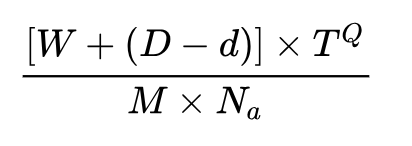
Where W = weather, D = debt, d = monthly salary, T = time since Christmas, Q = time since failing New Year's resolutions, M = motivation levels, and NA = the feeling of needing to take action.2
The problem? None of these variables can actually be measured in any meaningful way, and combining them mathematically makes no sense. As cognitive neuroscientist Dr. Matt Wall pointed out, the formula is as absurd as asking "what's the sunniest horse?" or "which vegetables are best at snooker?"3
The press release containing this formula was sent to multiple academics with an offer of payment to put their names to it.4 Arnall accepted, and Blue Monday was born, not from research, but from a PR agency's desk.
The Creator's Own Regret
Perhaps the most telling detail is that Arnall himself has turned against his creation. He has since called on people to "refute the whole notion" of Blue Monday and even lists himself as an "Activist to #StopBlueMonday."5
In interviews, Arnall has admitted the formula was "never his intention to make the day sound negative" and has acknowledged its pseudoscientific nature.6 Yet despite its creator's disavowal, Blue Monday continues to spread because it remains commercially useful.
Ironically, even Arnall's campaign against Blue Monday turned out to be marketing, this time for winter tourism to the Canary Islands.7
Why Blue Monday Keeps Coming Back
Every January, brands resurrect Blue Monday because it works as a sales hook. Legal firms, bottled water companies, alcoholic drink brands, airlines, and countless others have used the concept to promote their products.8
The media plays along because "most depressing day of the year" makes for easy headlines. Social media amplifies it further, with influencers offering tips on how to survive the supposedly gloomy day.
The result is a self-perpetuating myth that benefits marketers while potentially harming the people it claims to help.
The Real Harm of Blue Monday
Mental health organizations have spoken out against Blue Monday for good reason.
It trivializes depression. The charity Mind has warned that "Blue Monday contributes to damaging misconceptions about depression and trivializes an illness that can be life threatening."9 Depression is not a one-day event tied to the calendar—it's a serious condition that can affect people at any time of year.
It can become self-fulfilling. Research from the University of East London found that the Blue Monday narrative risks becoming a self-fulfilling prophecy, when people expect to feel a certain way, they become more likely to actually feel that way.10
It promotes harmful "quick fixes." By framing low mood as something that can be solved by booking a holiday or making a purchase, Blue Monday undermines the reality that mental health requires genuine care and support, not retail therapy.
It can worsen existing struggles. Mental health experts warn that people already experiencing depression or anxiety may find their symptoms worsened by constant warnings about this allegedly terrible day. Being told a certain day is "the worst of the year" can reinforce feelings of hopelessness rather than easing them.11
What's Actually Real
While Blue Monday itself is fiction, some underlying experiences are very real and deserve proper attention.
Seasonal Affective Disorder (SAD) is a legitimate form of depression that affects people during autumn and winter months when daylight is reduced. It's estimated to affect around 10 million Americans, with another 10-20% experiencing milder symptoms. For those with SAD, the most difficult months tend to be January and February.12
The post-holiday period can genuinely feel difficult for many people. The contrast between festive celebrations and returning to routine, combined with financial strain from holiday spending, shorter days, and cold weather can all contribute to lower mood. The Centre for Addiction and Mental Health acknowledges these real seasonal challenges while emphasising that there's "no scientific basis" for designating one specific Monday as the worst.13
Winter blues more generally affect many people in the Northern Hemisphere during the darker months. This is a real phenomenon worth taking seriously, just not one that can be pinned to a single manufactured date.
Getting Real Support
If you're struggling with low mood in January or any time of year here are approaches actually backed by evidence:
Light exposure can help with seasonal mood changes. Spending time outdoors during daylight hours, or using a light therapy box, has shown effectiveness for SAD symptoms.
Physical activity has well-documented benefits for mental health. Even moderate exercise can help improve mood and reduce symptoms of depression and anxiety.
Social connection matters, especially during winter months when it's tempting to isolate. Reaching out to friends, family, or community groups can provide meaningful support.
Professional help is available and effective. If low mood persists or significantly impacts your daily life, speaking with a mental health professional can make a real difference. Therapy and other treatments have strong evidence behind them.
Consistent self-care throughout the year, not just on trending awareness days, builds genuine resilience. Sleep, nutrition, stress management, and maintaining meaningful activities all contribute to mental wellbeing.
The Bottom Line
Blue Monday is a scam. It was invented to sell holidays, has no scientific validity, and has been disowned by its own creator. Yet it persists because it's commercially convenient.
Real mental health challenges deserve real attention, not marketing gimmicks dressed up as awareness. If January feels hard, that's valid. If you're struggling with seasonal mood changes, that's worth addressing. But not because a formula says today is the worst day. Because your wellbeing matters every day of the year.
References
1: EBSCO Research Starters. "Blue Monday (pseudoscience)." https://www.ebsco.com/research-starters/science/blue-monday-pseudoscience
2: NBC News. "Jan. 24 called worst day of the year." 24 January 2005. https://www.nbcnews.com/id/wbna6847012
3: CNN. "The 'Blue Monday' depression peak isn't real, but seasonal affective disorder is." January 2025. https://www.cnn.com/2025/01/20/health/blue-monday-debunked-seasonal-affective-disorder-wellness
4: The Guardian, as cited in Wikipedia. Ben Goldacre reported on the PR agency involvement. https://www.badscience.net/2009/01/part-432-in-which-i-get-a-bit-overinterested-and-look-up-waaay-too-many-references/
5: Manchester Mind. "Dispelling the Myth of Blue Monday." December 2024. https://www.manchestermind.org/blue-monday/
6: The Independent, as cited in Wikipedia. Arnall's 2018 interview. https://www.independent.co.uk/news/uk/home-news/blue-monday-apology-depressing-january-misey-money-disposable-income-psychology-dr-cliff-arnall-a8143246.html
7: PR Newswire. "Cliff Arnall Beats the Blue Monday Blues in the Canary Islands." January 2016. https://www.prnewswire.co.uk/news-releases/cliff-arnall-beats-the-blue-monday-blues-in-the-canary-islands-565578851.html
8: CBC News. "Blue Monday isn't real, but marketers cash in on it anyway." 17 January 2016. https://www.cbc.ca/news/trending/blue-monday-bad-science-marketing-gimmick-1.3406125
9: Big Issue. "Blue Monday: The truth behind the so-called 'most depressing day of the year.'" January 2025. https://www.bigissue.com/news/fact-fiction-is-blue-monday-real/
10: Burke, Jolanta. "'Blue Monday' is a hoax – but it could become the most depressing day of the year if you don't watch out." The Conversation, 12 January 2018. https://theconversation.com/blue-monday-is-a-hoax-but-it-could-become-the-most-depressing-day-of-the-year-if-you-dont-watch-out-89988
11: Medical News Today. "Blue Monday: Let us lay this mental health myth to rest." January 2026. https://www.medicalnewstoday.com/articles/mental-health-myth-blue-monday-depression-sad-january
12: CNN. "The 'Blue Monday' depression peak isn't real, but seasonal affective disorder is." 20 January 2025. https://www.cnn.com/2025/01/20/health/blue-monday-debunked-seasonal-affective-disorder-wellness
13: CBC News. "Pseudo-science based Blue Monday delivers unintended advantages, expert says." January 2018. https://www.cbc.ca/news/canada/toronto/blue-monday-2018-1.4487261