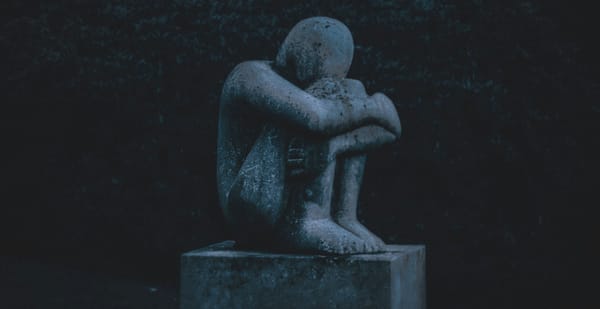
Why the New Year Triggers Anxiety


When the New Year Triggers Anxiety Instead of Motivation
For many people, the New Year is supposed to feel hopeful. Fresh starts, clean slates, motivation, and clarity are everywhere this time of year. But for a lot of us, January feels heavy instead. It can feel restless, tense, or quietly overwhelming. If you’ve felt uneasy or anxious since the year turned over, you are not failing at the New Year. What you’re experiencing has much more to do with how your nervous system works than with mindset, discipline, or willpower.
The Hidden Pressure of New Year Expectations
The New Year carries invisible pressure. Even when we don’t consciously buy into resolutions or comparisons, our nervous system still absorbs the urgency around us. Messages about becoming better, doing more, or fixing parts of ourselves arrive all at once. That pressure alone can be enough to activate anxiety. Anxiety does not always show up as panic or racing thoughts. Often it appears as muscle tension, mental fog, irritability, shallow breathing, or a constant sense that something needs to be handled right now.
Anxiety Is Not a Weakness or a Failure
Anxiety is not a personal flaw. It is your brain’s threat system doing its job a little too well. Your brain is designed to keep you safe by scanning for uncertainty and preparing your body to respond. The New Year represents change, unknown outcomes, and expectations, all of which can feel threatening to a nervous system that is already tired. Even positive change can activate anxiety if your system does not yet feel safe.
Why Anxiety Often Increases at the Start of the Year
There are several reasons anxiety tends to spike in January. Stress does not reset when the calendar changes, and many people carry unresolved emotional and physical stress from the previous year into the next. Expectations often rise faster than capacity, especially when people expect immediate motivation without allowing time for recovery. Comparison becomes louder as others share goals and achievements, which can quietly trigger a sense of falling behind. At the same time, routines shift again after the holidays, and that disruption alone can unsettle the nervous system.
The Anxiety Loop That Keeps You Stuck
Anxiety often becomes a loop rather than a single reaction. It usually begins with a sensation in the body such as tightness, restlessness, or discomfort. The mind notices this sensation and starts searching for explanations. Questions like “Why do I feel this way?” or “Shouldn’t I feel more motivated by now?” send a signal to the brain that something must be wrong. In response, the brain increases protection. The body becomes more tense, thoughts become more repetitive, and attention turns inward. The more anxiety is monitored, the stronger it feels, and the more urgent it seems to fix.
Why Forcing Motivation Makes Anxiety Worse
Many people respond to New Year anxiety by pushing harder. They try to overpower discomfort with discipline, productivity, or strict goals. While this can work briefly, it often increases anxiety instead. When the nervous system feels unsafe, pressure reinforces the idea that something is wrong and needs immediate correction. Calm does not come from control. It comes from safety. When your body feels safer, motivation tends to return on its own.
How to Calm Anxiety by Working With Your Nervous System
Working with your nervous system begins by shifting attention from thoughts to the body. You do not need to convince yourself that everything is fine. Slowing your breathing, unclenching your jaw, and letting your shoulders drop send direct signals of safety. Predictability also matters. Simple routines such as consistent meals, morning light, or short daily walks help your system feel grounded. Reducing future-focused pressure is important too. Anxiety thrives on distant timelines, while calm grows when attention returns to what is manageable today.
Rest Is Not a Reward, It Is a Biological Need
Gentle self-talk can reduce internal threat. Reminding yourself that you do not need to have everything figured out right now can soften the nervous system’s response. Rest is not something you earn through productivity. It is a biological requirement for emotional regulation, clarity, and resilience.
You Don’t Need New Year Resolutions to Move Forward
You do not need a resolution to move forward. There is nothing magical about January first, and growth does not follow a calendar. Some people begin the year with momentum. Others need recovery, stability, and softness. Both are valid. If the New Year feels overwhelming, it may be because your system is asking for care rather than correction.
A Calmer Way to Start the New Year
A calmer way to start the year is not about eliminating anxiety but about reducing the fight with it. When anxiety is understood as a signal rather than a failure, the body does not need to work as hard to get your attention. Progress can be quiet. Healing can be slow. Clarity can come later. This year does not need to be fixed right now. It only needs to be lived, one regulated moment at a time.
A Gentle Note From Aitherapy
At Aitherapy, we believe mental health support should feel safe, calm, and pressure-free. If the New Year has brought up anxiety, stress, or emotional tension, you don’t have to navigate it alone or rush yourself toward solutions. Sometimes, simply having a private space to reflect, understand your thoughts, and move at your own pace can make a meaningful difference. However this year unfolds for you, your experience is valid, and care is allowed to come first.
Take a moment for yourself. Reflect, slow down, and explore what your mind needs right now